



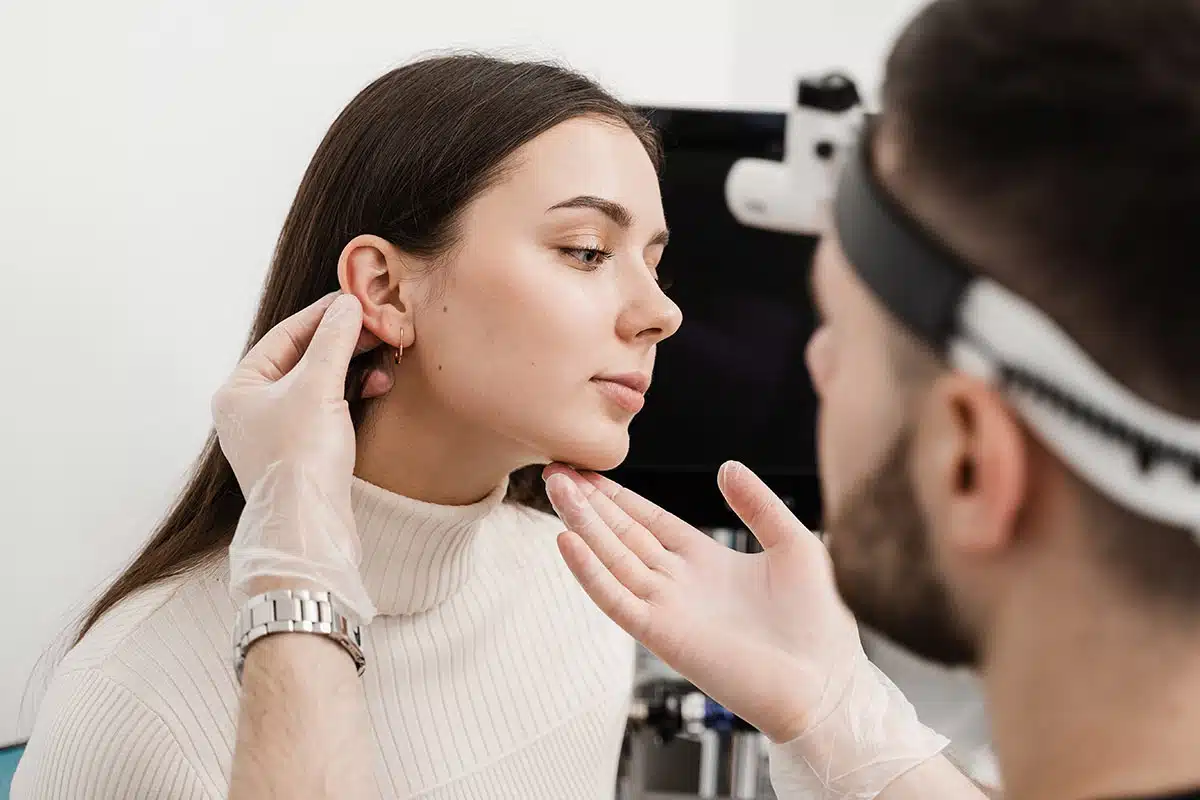
| Otoplasty is a safe, effective procedure that can bring lasting balance and confidence to those who feel self-conscious about the shape or position of their ears. Recovery is straightforward and manageable, with most patients returning to normal activities within a week and seeing beautiful, natural results as healing progresses. At Ward Institute, we’re committed to guiding you through every step of the process with compassion, expertise, and personalized care. If you’re ready to explore otoplasty for yourself or a loved one, schedule a consultation today. |
Ears may be small, but their impact on your overall facial harmony is huge, especially when they stand out more than you’d like. If you’ve ever felt self-conscious about protruding or asymmetrical ears, otoplasty (ear pinning or reshaping surgery) might be the solution you’ve been looking for.
But as with any cosmetic procedure, understanding the recovery process is just as important as knowing the results you can expect. We’re here to walk you through every step of your journey, including what recovery really looks like after otoplasty. Whether you’re considering surgery for yourself or a loved one, this guide will help you feel informed, empowered, and prepared.
What Is Otoplasty?
Otoplasty is a cosmetic ear surgery that reshapes or repositions the ears to create a more natural, symmetrical appearance. It’s commonly performed to correct ears that protrude too far from the head, but it can also address other concerns like size, shape, or deformities caused by injury or congenital conditions.
This outpatient procedure typically takes 1–2 hours and is done under local anesthesia with sedation or general anesthesia, depending on the patient’s age and preference. Once the ears are repositioned and sculpted to the desired contour, incisions are closed with sutures and protected with a soft dressing.
Now, let’s take a closer look at what happens after surgery—the recovery phase.
The First 24–48 Hours: Rest and Protection
The initial days following otoplasty are all about rest, comfort, and minimizing swelling. You’ll wake up from surgery with a protective head wrap or bandage covering your ears. This helps keep your ears in place and protects the sutures while they begin to heal.
Here’s what you can expect during the first couple of days:
- Mild to moderate discomfort: Most patients describe it as soreness or pressure. Pain is usually well managed with prescribed or over-the-counter medications.
- Swelling and bruising: This is completely normal and will be most noticeable during the first few days.
- Head elevation: Keeping your head elevated—even while sleeping—helps reduce swelling and promotes better healing.
- Limited activity: Plan to rest at home and avoid any physical activity that could strain the ears or increase blood flow to the area.
At this stage, following your surgeon’s post-op instructions closely is key to setting yourself up for a smooth recovery.
The First Week: Healing Begins
By the end of the first week, most patients are already starting to feel significantly better. Swelling and bruising will begin to subside, and you’ll likely return to the office to have your initial head dressing removed. At this point, you’ll switch to a soft headband, which helps protect the ears while allowing them to continue healing in the correct position.
During week one, you can expect:
- Reduced pain and swelling
- Visible improvements in ear position and shape
- Instructions to wear a headband (especially while sleeping)
- Limited screen time or activities that require headphones
Many patients are able to return to non-strenuous work or school after about 5–7 days, but any activity involving physical exertion or risk of contact should still be avoided.
Weeks 2–4: Returning to Normal
The next few weeks bring even more noticeable progress. Swelling continues to decrease, bruising fades, and the ears settle into their new, natural position. Most people feel much more like themselves during this time and begin to resume more normal activities.
Here’s what recovery looks like in weeks two through four:
- You’ll continue wearing the headband at night to prevent accidental pulling or movement of the ears while sleeping.
- Any external stitches will have dissolved or been removed, depending on the type used.
- You can gradually resume light activities, such as walking or working out, with your surgeon’s clearance.
- You’ll begin seeing the final results, although minor swelling may still be present.
This is also when many patients start receiving compliments—your results are becoming visible, but natural enough that people might not even realize you had surgery!
One Month and Beyond: Long-Term Healing and Results
By the one-month mark, most of the healing is complete. Your ears will have largely adjusted to their new shape and position, and you can enjoy your results with confidence. At this point, the headband is no longer needed, and most patients are fully back to their daily routines, including exercise and social activities.
It’s important to keep in mind:
- Final results can take up to 3–6 months as subtle swelling fully resolves.
- Scars are minimal and well-hidden behind the ear or within the ear’s natural folds. They’ll continue to fade over time.
- Touch-ups are rare, but if needed, they can be discussed during follow-up visits.
You’ll continue checking in with your surgical team to ensure healing is on track, but most patients are thrilled with their transformation and how natural it looks and feels.
Tips for a Smooth Otoplasty Recovery
Recovery doesn’t have to be stressful. Here are some compassionate tips to help you feel supported every step of the way:
- Follow all post-op instructions closely—they’re designed to support healing and minimize risk.
- Avoid touching or rubbing your ears, especially during sleep.
- Sleep on your back to avoid pressure on the ears while they’re healing.
- Stick to button-down shirts or loose necklines to avoid pulling anything over your ears.
- Stay in touch with your care team—we’re here to support you with any concerns or questions you have.
And remember: healing is a journey, not a race. Be patient and kind to yourself during the process.
Is Otoplasty Right for You?
Otoplasty is a highly personal decision, and it’s a wonderful option for people of all ages who feel self-conscious about their ears. The procedure is commonly performed on children around age 5 or older (once ear cartilage is fully developed), but many teens and adults choose to undergo the surgery later in life.
If prominent or asymmetrical ears affect your confidence, or if your child is facing teasing or bullying, otoplasty can offer not only physical improvement but emotional peace of mind.
We create natural, balanced results that enhance—not change—your unique features. Our compassionate team will walk with you from consultation to final results, ensuring you feel comfortable and cared for every step of the way.
Begin Your Journey to Confidence at Ward Institute
Recovery after otoplasty is gentle, manageable, and ultimately life-changing for many patients. With proper care and expert guidance, you’ll enjoy beautifully shaped ears that look completely natural and feel more confident in the mirror and beyond.
Thinking about otoplasty for yourself or your child? Schedule a consultation with Ward Institute in Salt Lake City, UT, and let us help you take the next step toward a more confident you.
Frequently Asked Questions (FAQ)
Is otoplasty painful?
Most patients report mild to moderate discomfort during the first few days, which is easily managed with medication. Soreness usually subsides quickly.
Will I have visible scars?
Otoplasty incisions are typically hidden behind the ear or within its natural folds, making scars very discreet.
When can I go back to work or school?
Most patients return to work or school within 5–7 days, depending on the nature of their activities.
Can I sleep on my side after surgery?
It’s best to sleep on your back for the first few weeks to avoid pressure on the healing ears.
Are the results permanent?
Yes, otoplasty offers long-lasting, often permanent, results. As with any surgery, maintaining healthy habits and protecting your ears during recovery supports optimal outcomes.


