



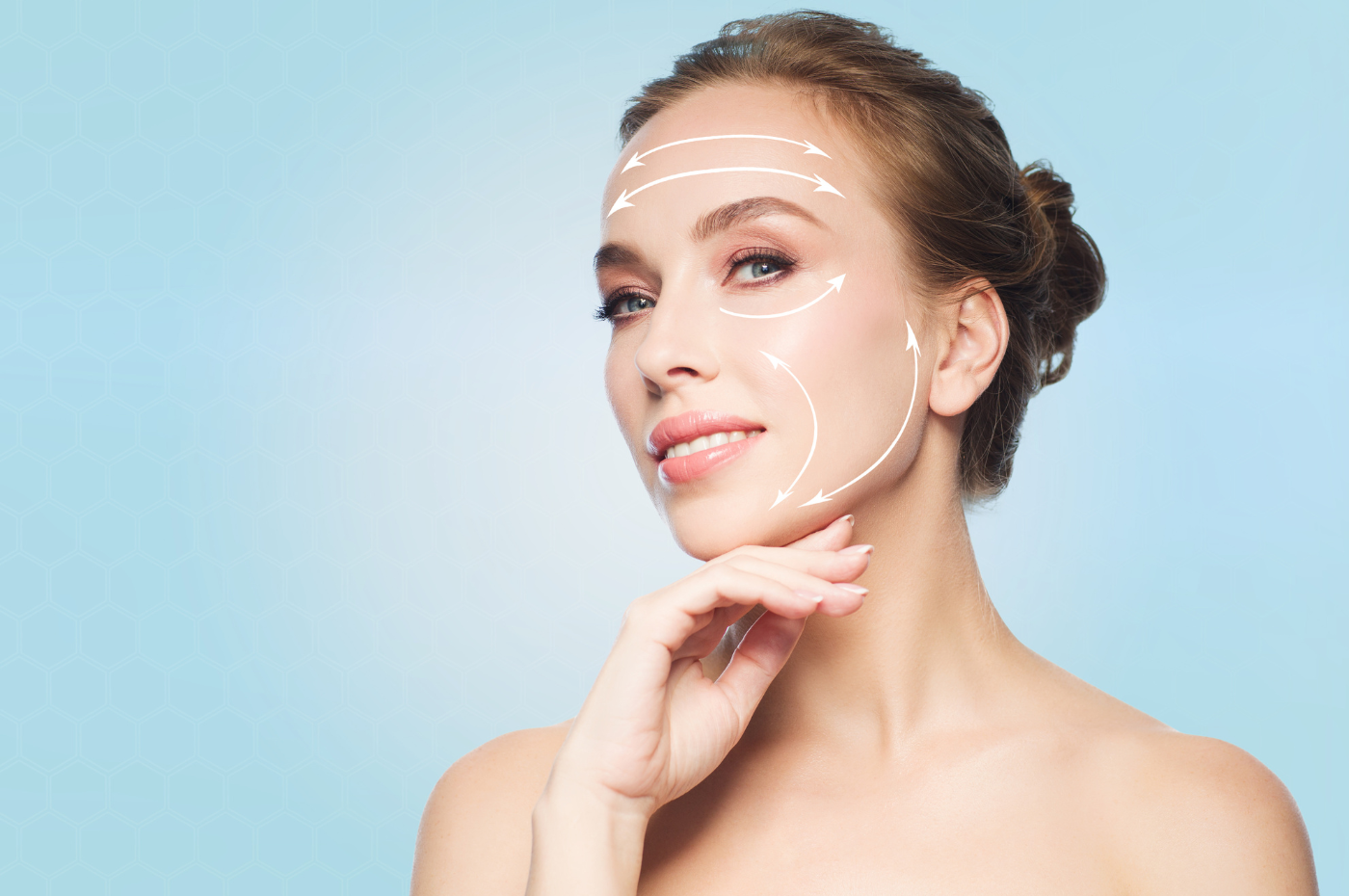
Understanding Which Approach Is Right for Your Skin, Goals, and Timeline
Loose or sagging skin is a natural part of aging — but today, there are more solutions than ever to address it. From advanced non-surgical technologies to surgical lifts, skin tightening treatments can be tailored to your goals, comfort level, and desired results.
This guide breaks down the key differences between non-surgical skin tightening treatments and surgical options, helping you understand when each makes sense and how to choose the right path for your skin.
1. Why Skin Loses Firmness Over Time
As we age, the body naturally produces less collagen and elastin — the proteins responsible for keeping skin firm and elastic.
Combined with gravity, sun exposure, weight changes, and facial movement, this loss leads to sagging skin around the face, neck, abdomen, arms, and thighs. The degree of laxity helps determine whether a non-surgical or surgical solution is more appropriate.
2. Non-Surgical Skin Tightening: How It Works
Non-surgical treatments use energy-based technologies — such as radiofrequency or microneedling — to stimulate collagen production beneath the skin’s surface.
These treatments are ideal for mild to moderate skin laxity and are commonly used on the face, neck, and body. They improve texture, firmness, and tone gradually, with little to no downtime.
3. Benefits of Non-Surgical Treatments
Non-surgical skin tightening is popular because it offers noticeable improvement without surgery. Key benefits include:
- Minimal downtime and quick recovery
- Gradual, natural-looking results
- Lower upfront cost compared to surgery
- Safe, in-office treatments
These options are best for patients who want subtle tightening, preventative care, or maintenance after previous procedures.

4. When Surgery Becomes the Better Option
Surgical skin tightening — such as a facelift, neck lift, tummy tuck, or body lift — physically removes excess skin and repositions underlying tissue.
Surgery is recommended when skin laxity is moderate to severe, or when non-surgical treatments can no longer deliver meaningful results. While recovery time is longer, surgical procedures offer the most dramatic and long-lasting outcomes.
5. Comparing Results, Downtime, and Longevity
Non-surgical treatments typically require multiple sessions and produce gradual improvements that last months to a few years, depending on the treatment and lifestyle factors.
Surgical procedures involve a more significant recovery period but can deliver results that last 10 years or more, making them a strong option for patients seeking a definitive solution rather than ongoing maintenance.
6. Choosing the Right Path for Your Skin
The best skin tightening option depends on your age, skin condition, goals, and tolerance for downtime.
Many patients benefit from a layered approach — starting with non-surgical treatments early on and transitioning to surgery later when needed. A professional evaluation ensures your plan is aligned with both your short-term goals and long-term results.
Personalized Solutions, Not One-Size-Fits-All Treatments
At Ward Institute, skin tightening is never approached with a single solution in mind. Our team evaluates your skin, anatomy, and goals to recommend the most effective option — whether that’s non-surgical rejuvenation or surgical correction.
If you’re unsure which direction is right for you, a consultation can help clarify your options and set realistic expectations for results you’ll love.
FAQs: Skin Tightening Treatments
Q1: Can non-surgical skin tightening replace surgery?
Non-surgical treatments work best for mild to moderate laxity. Surgery is more effective for significant excess skin.
Q2: Is skin tightening painful?
Most non-surgical treatments cause mild discomfort but are well tolerated. Surgical procedures involve anesthesia and managed recovery.
Q3: How long do non-surgical results last?
Results vary, but many patients see benefits for 6–18 months, with maintenance treatments recommended.
Q4: Can treatments be combined?
Yes. Many patients combine non-surgical treatments with surgery or use them to maintain surgical results.


