



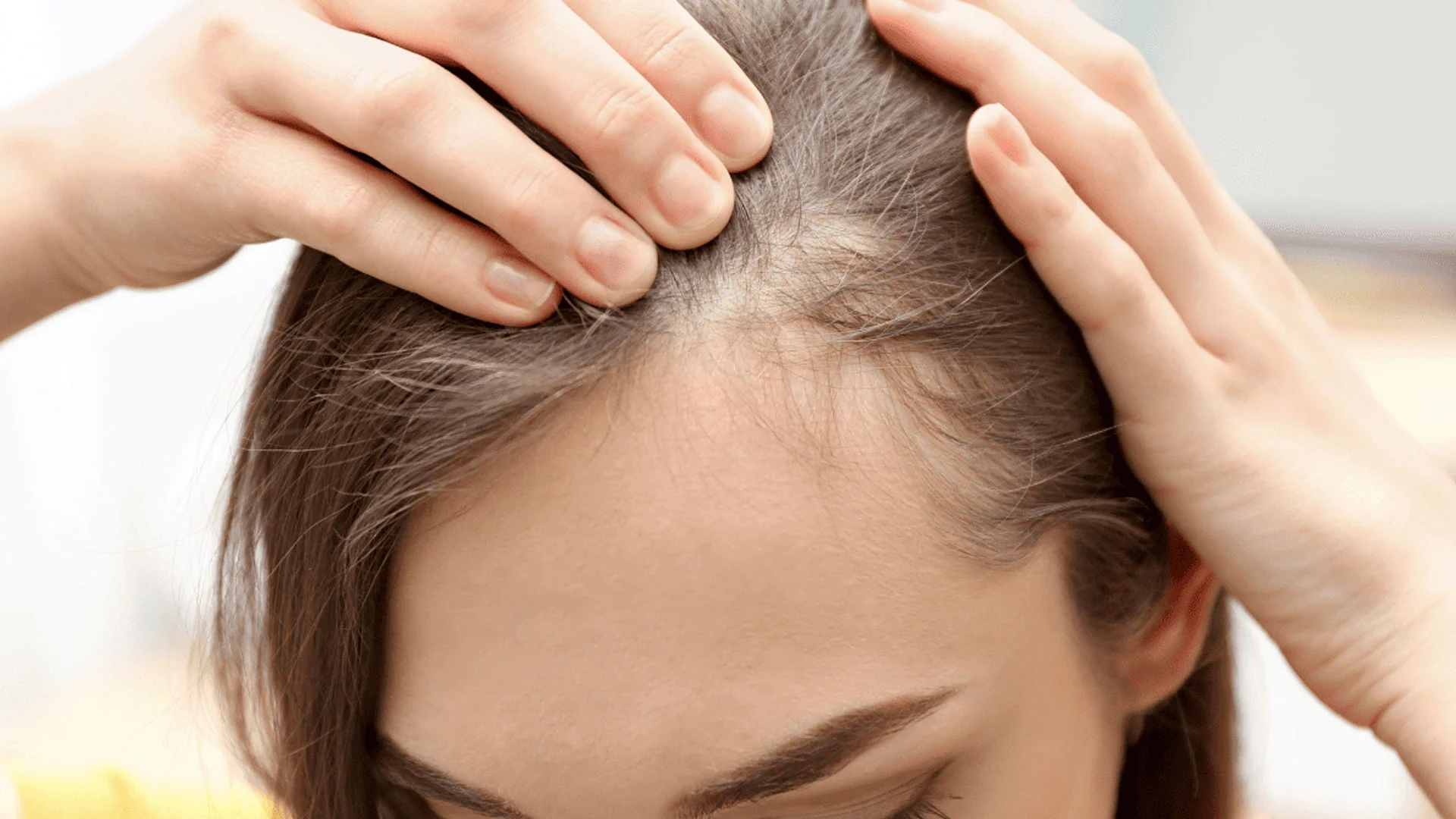
Hair loss is surrounded by myths that often prevent people from seeking effective solutions. At Ward Institute, Dr. Ward helps patients understand the real causes of hair loss and the advanced hair restoration treatments available today. From surgical options like FUT and FUE to non-surgical therapies, modern techniques can deliver natural, lasting results. If you’re experiencing hair thinning or loss, learning the truth is the first step toward restoring both your hair and your confidence.
Hair loss can feel frustrating, confusing, and even isolating. Many people delay treatment because they’re unsure what’s true and what’s simply misinformation. The reality is that hair restoration has evolved significantly, offering reliable solutions for both men and women.
Understanding Hair Loss: More Common Than You Think
Hair loss affects millions of people and can stem from a variety of factors. Genetics is one of the most common causes, but it’s far from the only one. Hormonal changes, aging, stress, and lifestyle factors can all contribute to thinning hair or receding hairlines.
What many people don’t realize is that hair loss is not always predictable or uniform. Some experience gradual thinning, while others notice more sudden changes. Regardless of the pattern, early evaluation is key.
We begin with a comprehensive assessment to determine the underlying cause of hair loss. This step is essential because the most effective hair restoration plan is always personalized to the individual.
Myth #1: Hair Loss Only Affects Men
One of the most persistent myths is that hair loss is primarily a male concern. While men often experience more visible patterns like receding hairlines, women are also significantly affected by thinning hair.
Female hair loss often presents differently, typically as diffuse thinning rather than bald patches. This can make it harder to recognize and treat early.
Hair restoration is not limited by gender. Both men and women can benefit from advanced treatments that restore volume and improve overall hair density. Understanding this helps remove unnecessary stigma and encourages more people to explore their options.
Myth #2: Hair Restoration Looks Unnatural
Many people still associate hair restoration with outdated techniques that produced obvious, unnatural results. Today, that perception couldn’t be further from the truth.
Modern hair restoration focuses on precision and artistry. Techniques like Follicular Unit Transplantation (FUT) and Follicular Unit Excision (FUE) allow for the placement of individual follicular units in a way that mimics natural growth patterns.
Dr. Ward carefully designs each hairline to suit the patient’s facial structure, age, and goals. This attention to detail ensures results that blend seamlessly with existing hair, creating a natural, undetectable outcome.
How Modern Hair Restoration Works
Hair restoration relies on relocating healthy hair follicles from areas resistant to hair loss—typically the back or sides of the scalp—to areas experiencing thinning. These transplanted follicles continue to grow hair naturally in their new location.
There are two primary surgical techniques:
- FUT (Follicular Unit Transplantation): A thin strip of scalp is removed from the donor area, and individual follicles are carefully prepared and transplanted. The donor area heals with a fine, easily concealed scar.
- FUE (Follicular Unit Excision): Individual follicles are harvested directly using a small punch tool, leaving tiny, nearly invisible marks. This option is ideal for those who prefer shorter hairstyles.
Both methods use meticulous placement techniques to ensure natural growth direction and density. The choice between them depends on factors like hair type, lifestyle, and personal preferences.
Myth #3: Hair Restoration Is Only Surgical
Another common misconception is that hair restoration always requires surgery. While surgical techniques offer permanent, transformative results, they are not the only option.
Non-surgical treatments can complement or enhance surgical outcomes, or in some cases, serve as a primary solution:
- PRP (Platelet-Rich Plasma): Uses your body’s natural growth factors to stimulate hair follicles
- Laser therapy: Encourages circulation and supports hair growth
- Scalp micropigmentation: Creates the appearance of fuller hair density
We often combine these approaches to create a comprehensive treatment plan tailored to each patient’s needs.
Myth #4: Results Are Immediate
Hair restoration is a process, not an instant transformation. This is one of the most important expectations to set.
After a transplant, the newly placed follicles enter a resting phase before beginning to grow again. Patients typically notice:
- Initial shedding of transplanted hairs within the first few weeks
- New growth beginning around 3–4 months
- Noticeable improvement in density by 6–9 months
- Full results developing over 12 months
Understanding this timeline helps patients remain patient and confident throughout the process. The gradual nature of growth actually contributes to a more natural-looking result.
Who Is a Good Candidate for Hair Restoration?
Hair restoration is highly effective, but it’s not one-size-fits-all. Ideal candidates generally have sufficient donor hair and are in good overall health.
Other important considerations include:
- The pattern and progression of hair loss
- Hair density and scalp condition
- Lifestyle and long-term goals
- Willingness to follow post-treatment care
Dr. Ward evaluates each patient carefully to determine the best approach. Whether surgical or non-surgical, the goal is always to create results that are sustainable and aligned with the patient’s expectations.
Why Personalization Matters
No two hairlines are the same, and no two treatment plans should be either. Hair restoration requires both technical precision and artistic vision.
Designing a natural-looking hairline involves considering:
- Facial proportions
- Age-appropriate placement
- Hair direction and growth pattern
- Long-term changes in hair density
Our approach emphasizes customization at every step. This ensures that results not only look natural today but continue to age gracefully over time.
The Confidence Factor
Hair restoration is about more than appearance. For many patients, it’s about reclaiming confidence and feeling more like themselves again.
Hair loss can impact how people see themselves in professional, social, and personal settings. Restoring hair often leads to renewed self-assurance and comfort.
Patients frequently share that they feel more aligned with their identity after treatment. This emotional benefit is just as meaningful as the physical transformation.
Experience Advanced Hair Restoration at Ward Institute
At Ward Institute, Dr. Ward combines advanced techniques with a personalized approach to deliver natural, lasting results. From FUT and FUE to non-surgical therapies, every treatment plan is designed around your unique needs and goals.
Hair restoration is not about chasing perfection—it’s about restoring balance, confidence, and authenticity. With careful planning, expert execution, and ongoing support, you can achieve results that feel both natural and transformative.
If you’re ready to take the next step, scheduling a consultation is the best way to explore your options and begin your journey toward renewed confidence.
Frequently Asked Questions
Is hair restoration permanent?
Transplanted hair follicles are resistant to typical hair loss and continue to grow naturally. However, existing hair may still thin over time, which is why ongoing care is important.
Does hair restoration hurt?
Most procedures are performed with local anesthesia, making the process comfortable. Mild soreness afterward is temporary and manageable.
Will people be able to tell I had a hair transplant?
Modern techniques create natural-looking results that blend seamlessly with existing hair. Most people will simply notice fuller, healthier hair.
How do I choose between FUT and FUE?
The best method depends on your hair type, lifestyle, and preferences. A consultation with Dr. Ward helps determine the right approach for you.
Can women benefit from hair restoration?
Yes, women experiencing thinning hair can achieve excellent results with both surgical and non-surgical treatments.


