


Rhinoplasty is an exciting journey that can enhance both your appearance and breathing, but knowing what to expect makes all the difference. By choosing an experienced surgeon, preparing for recovery, and following post-op care instructions, you’ll set yourself up for the best results. While swelling and healing take time, patience is key—your final results will gradually refine over the coming months. At Ward Institute, we’re here to guide you every step of the way, ensuring a smooth and comfortable experience. Ready to take the next step? Schedule a consultation today and let’s make your rhinoplasty goals a reality!
If you’re considering rhinoplasty, you probably have a mix of excitement and questions—maybe even a little nervousness. That’s completely normal! Whether you’re looking to refine your nose’s shape, improve breathing, or correct an old injury, rhinoplasty is a highly customizable procedure that can enhance both appearance and function.
We want you to feel informed, comfortable, and confident as you begin this journey. In this guide, we’ll walk you through how to prepare for surgery, what to expect during recovery, and how to get the best results. Let’s dive in!
Preparing for Rhinoplasty: Setting Yourself Up for Success
A little preparation goes a long way in ensuring a smooth procedure and recovery. Here’s what you can do before surgery to set yourself up for the best outcome:
1. Choose an Experienced Surgeon
Not all rhinoplasty procedures are the same, so it’s important to work with a board-certified surgeon who specializes in facial procedures. At Ward Institute, our experienced surgeon, Dr. Ward, personalizes every surgery to fit your goals and facial harmony.
2. Plan for Recovery Time
Rhinoplasty is an outpatient procedure, meaning you’ll go home the same day, but you will need to take time off from work or school. Most people need about one to two weeks of downtime before returning to daily activities. Swelling can take a few months to fully subside, so patience is key!
3. Avoid Certain Medications & Supplements
Your surgeon will provide a list of medications and supplements to avoid before surgery, as some can increase the risk of bleeding. Common ones include aspirin, ibuprofen, and certain herbal supplements like ginkgo biloba or fish oil.
4. Stop Smoking & Limit Alcohol
Smoking and excessive alcohol consumption can slow healing and increase the risk of complications. It’s best to avoid both at least two weeks before and after surgery.
5. Prepare Your Recovery Space
Stock up on soft foods, cold compresses, and extra pillows to keep your head elevated. Having everything ready before surgery will make your recovery much easier.
What Happens on Surgery Day?
The day of your rhinoplasty is an important milestone, and our team is here to ensure you feel comfortable and confident every step of the way. Here’s what you can expect:
- Check-In & Pre-Op Prep: When you arrive at our facility, you’ll check in and meet with your surgical team. Your surgeon will go over any final details, answer last-minute questions, and ensure you’re feeling ready. You’ll also meet with your anesthesiologist to review your medical history and discuss the type of anesthesia being used.
- Anesthesia: To keep you comfortable and pain-free, you’ll receive either general anesthesia (which puts you fully asleep) or IV sedation (which keeps you deeply relaxed but conscious). Your surgeon will determine the best option based on your procedure and personal needs.
- Surgery Time: Rhinoplasty typically takes 1.5 to 3 hours, depending on the complexity of the procedure. During surgery, your surgeon will make precise adjustments to reshape your nose, whether that involves refining the bridge, adjusting the tip, correcting asymmetry, or improving nasal function.
- Recovery Room & Discharge: After surgery, you’ll be taken to a recovery area, where our team will monitor you as you wake up from anesthesia. It’s normal to feel groggy, and you may have a slight sore throat from the breathing tube used during surgery. Once you’re stable and comfortable, you’ll be discharged with detailed aftercare instructions.
- Getting Home: Since anesthesia takes time to wear off, you won’t be able to drive yourself home. A friend or family member will need to pick you up and stay with you for the first 24 hours to assist with basic tasks and ensure you’re comfortable as the anesthesia fully wears off.
The key to a smooth recovery starts with proper preparation and a solid support system. In the next section, we’ll cover what to expect in the first few days after surgery and how to care for yourself at home!
What to Expect During Rhinoplasty Recovery
Healing from rhinoplasty is a gradual process, but knowing what to expect can make it much easier.
The First Week: Rest & Healing
- You’ll have some swelling and bruising around the nose and eyes—this is completely normal!
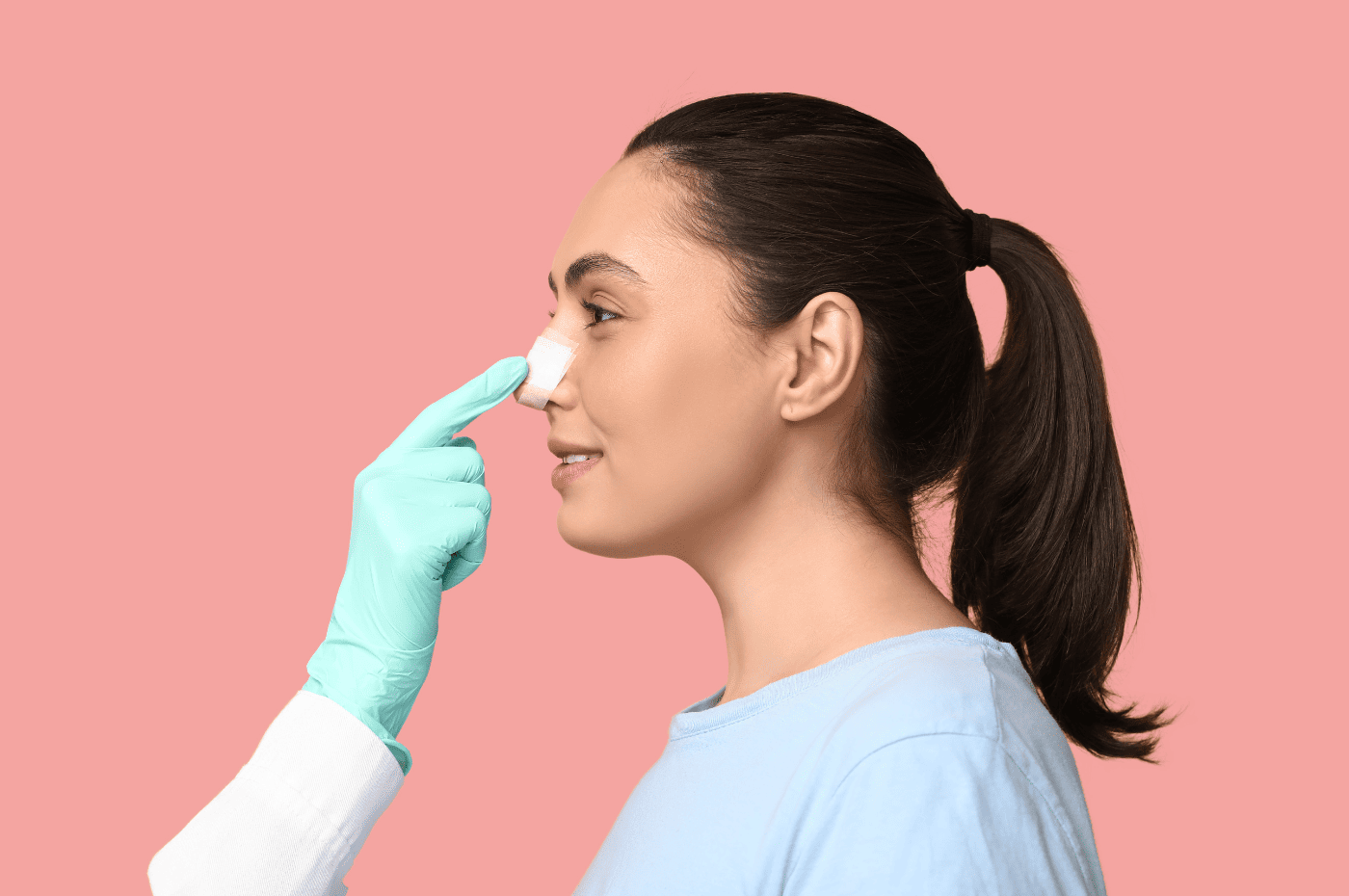
- A splint will be placed on your nose to support healing, which is usually removed after one week.
- You’ll need to avoid strenuous activities and get plenty of rest.
Weeks 2–4: Feeling More Like Yourself
- Most major swelling starts to subside.
- You can usually return to work or school after one to two weeks.
- Light exercise (like walking) is fine, but avoid anything that risks bumping your nose.
Months 1–6: Refinement & Patience
- Subtle swelling continues to improve, and your nose shape refines over time.
- Final results can take 6–12 months, so be patient with the healing process.
How to Ensure the Best Results
To help your nose heal beautifully and smoothly, follow these tips:
- Follow Your Surgeon’s Instructions: Stick to the aftercare plan provided by your doctor.
- Keep Your Head Elevated: Sleeping with your head elevated for the first few weeks reduces swelling.
- Stay Hydrated & Eat Well: Proper nutrition aids healing.
- Avoid Glasses & Sunglasses: If possible, avoid wearing glasses directly on your nose for a few weeks.
- Be Patient: Healing takes time, and your final results will reveal themselves gradually.
Get Ready for Renewed Confidence at Ward Institute
At Ward Institute in Salt Lake City, UT, we understand that rhinoplasty is a big decision, and we’re here to guide you every step of the way. Whether you’re enhancing aesthetics or improving function, our expert team will ensure you feel comfortable, supported, and confident.
If you’re ready to take the next step, schedule a consultation today, and let’s create a plan that’s right for you!
Frequently Asked Questions (FAQ)
How long does rhinoplasty recovery take?
Most people feel comfortable returning to work or school after one to two weeks, but subtle swelling can last for several months. Full results typically take 6–12 months.
Will I be in pain after surgery?
Most patients experience mild discomfort rather than severe pain. Your surgeon will provide pain medication to keep you comfortable.
Can I wear glasses after rhinoplasty?
You’ll need to avoid resting glasses or sunglasses on your nose for several weeks to prevent pressure on the healing tissues.
When can I start exercising again?
Light walking is encouraged, but avoid strenuous activities for at least 4–6 weeks. Always check with your surgeon before resuming workouts.
How do I know if I’m a good candidate for rhinoplasty?
If you’re in good health and have realistic expectations about the procedure, you may be a great candidate! A consultation with our experts will help determine the best approach for your goals.


